
Airlines Where Our Graduates Fly
Airlines Where Our Graduates Fly



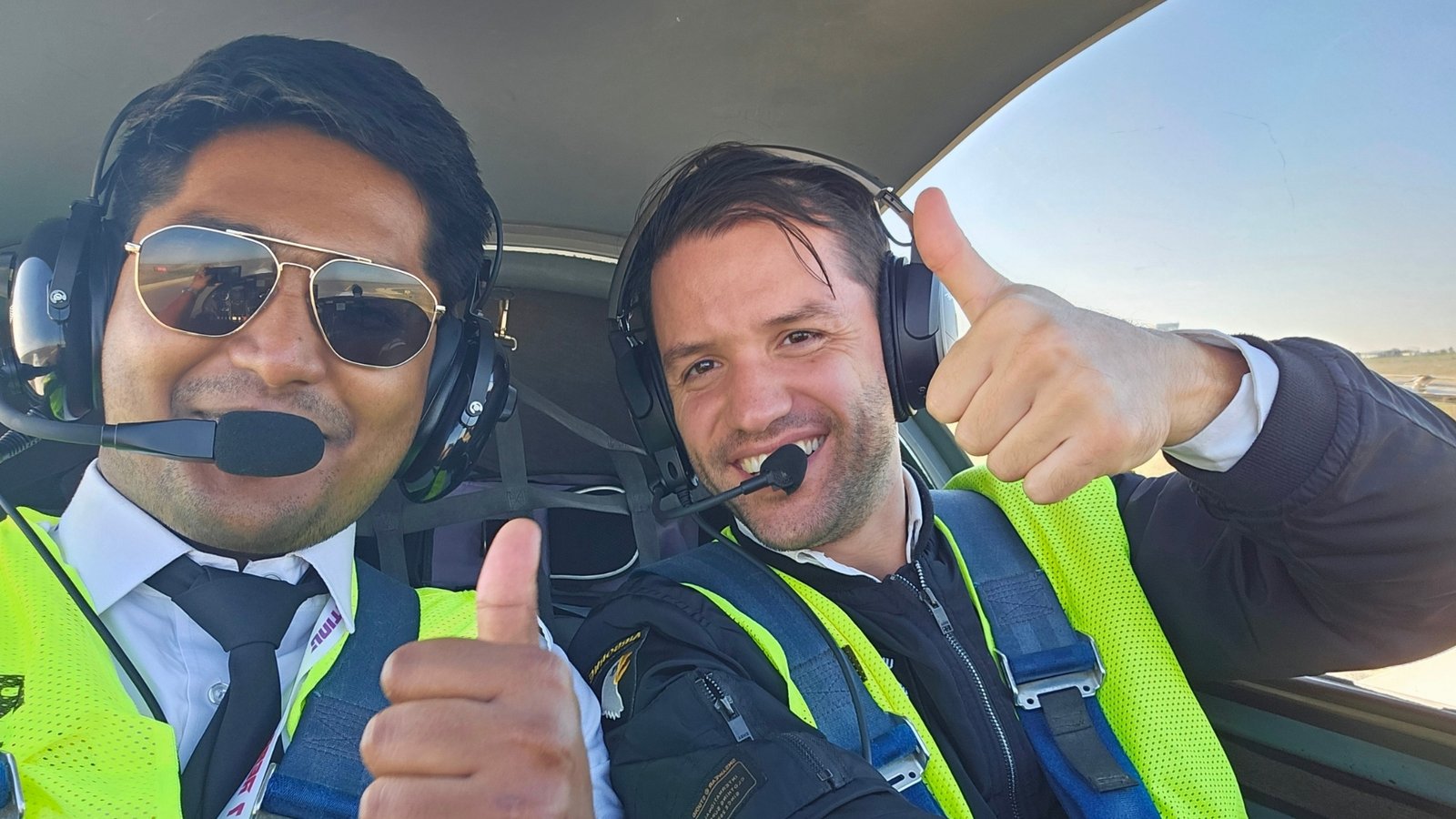
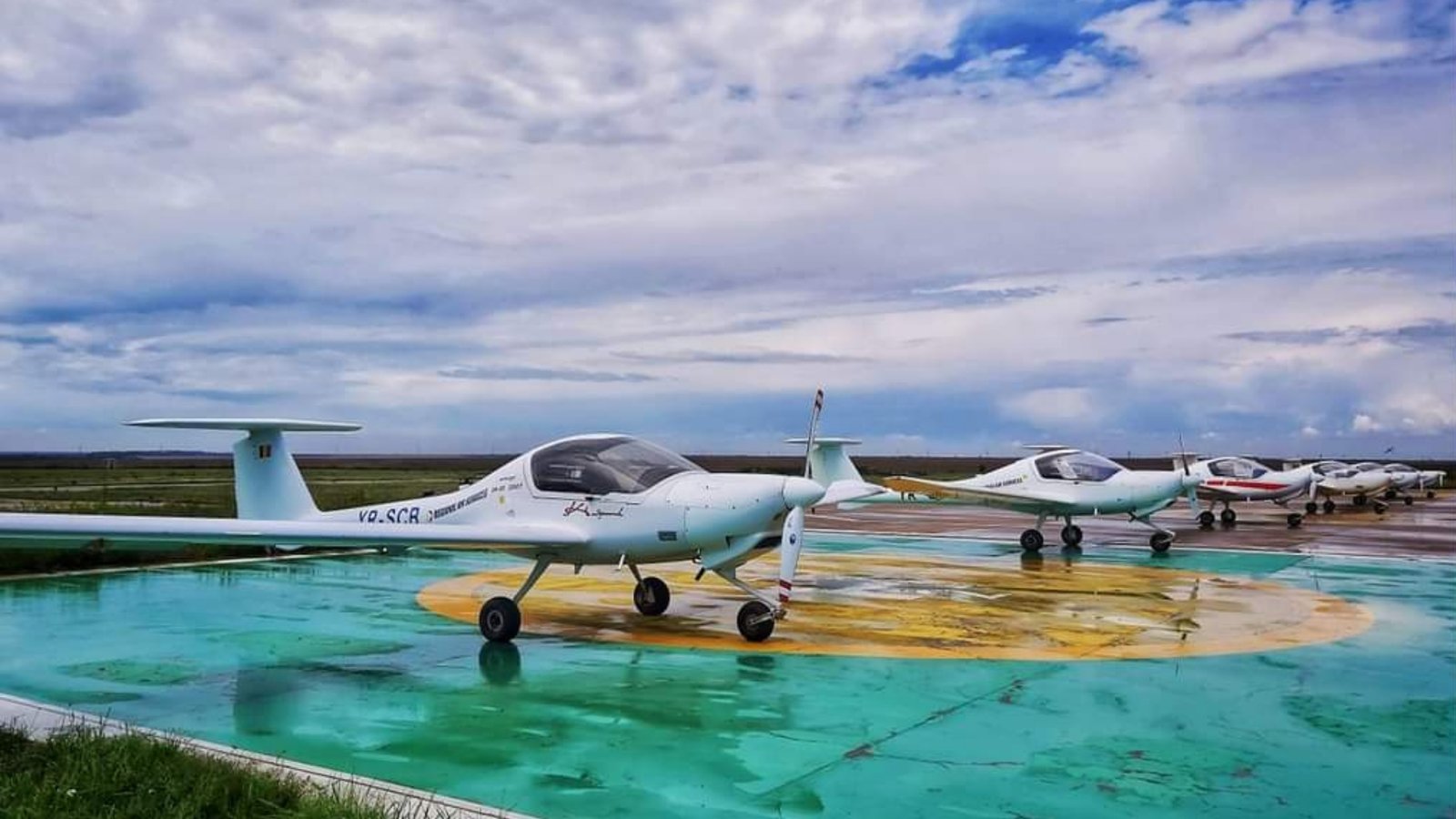
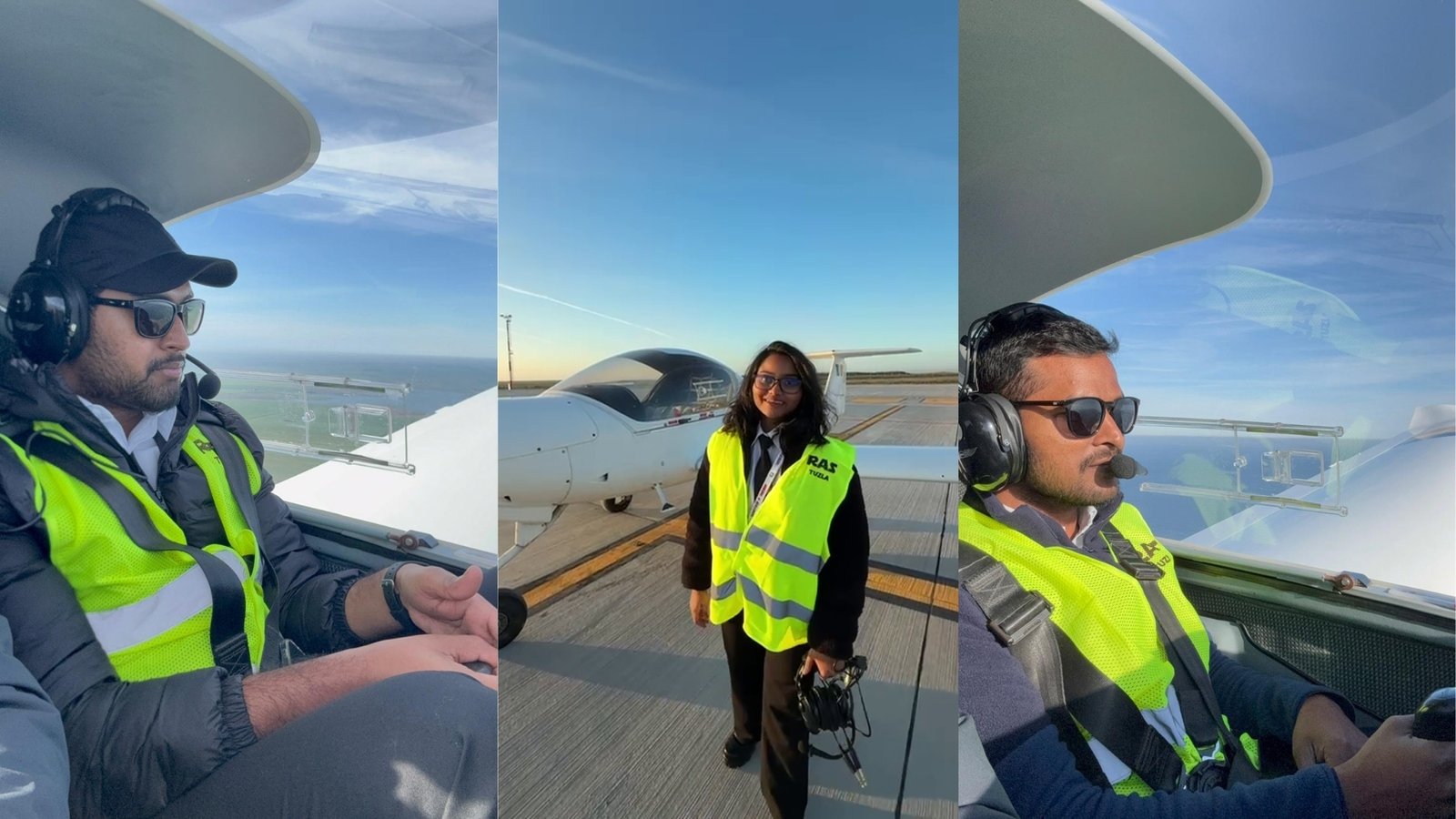
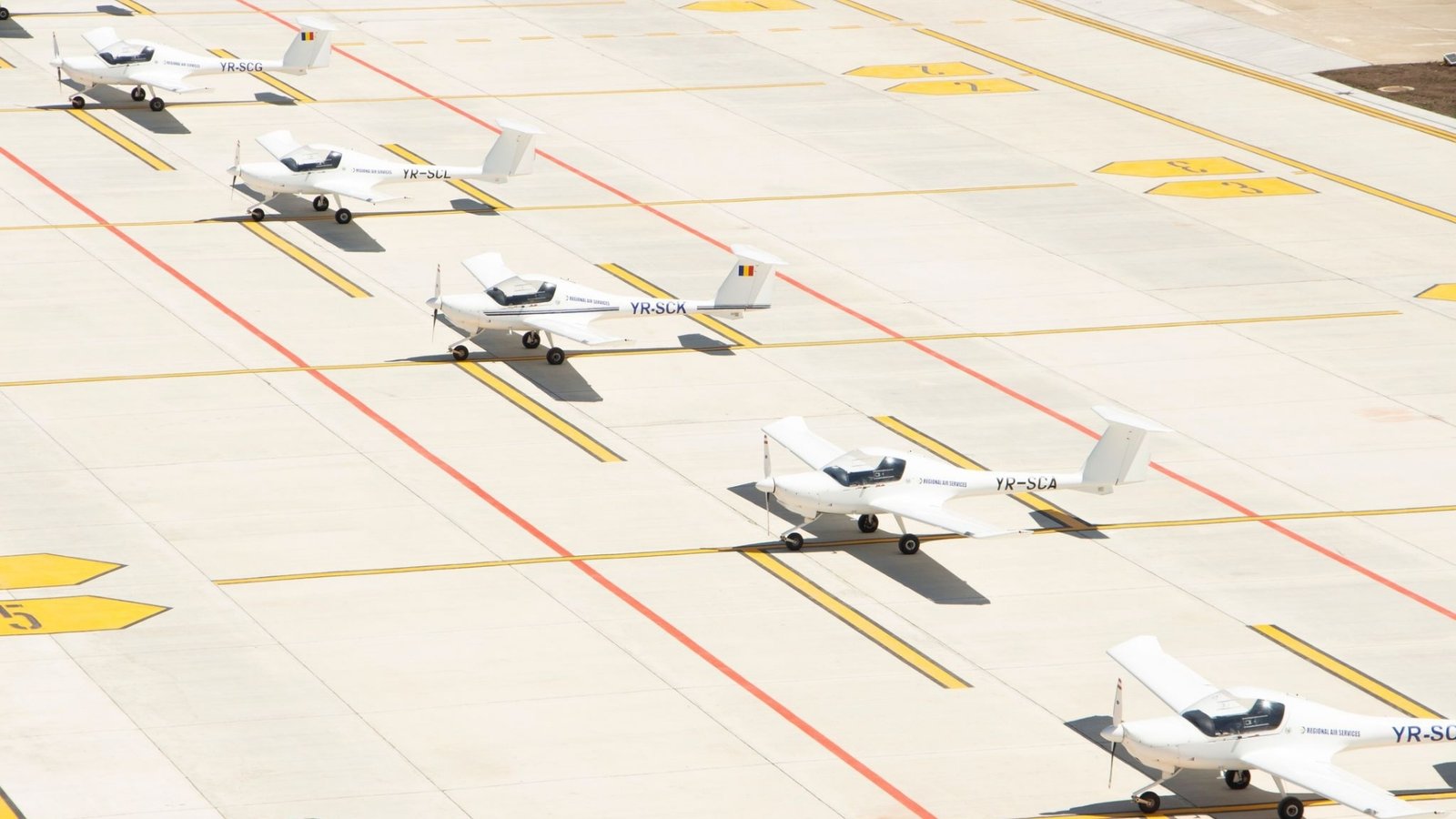
2026 Intake Now Open
Start your EASA pilot journey with structured Theoretical Knowledge training in Dubai, followed by professional flight training at an EASA-approved flight school in Romania.
2026 Intake Now Open
Start your EASA pilot journey with structured Theoretical Knowledge training in Dubai, followed by professional flight training at an EASA-approved flight school in Romania.
Why This Pathway Makes Sense
For aspiring pilots across the GCC, relocating to Europe from day one is expensive and disruptive. This pathway allows you to complete the academic foundation locally in Dubai, then move to Romania only when flying actually begins.
For aspiring pilots across the GCC, relocating to Europe from day one is expensive and disruptive. This pathway allows you to complete the academic foundation locally in Dubai, then move to Romania only when flying actually begins.

PHASE 1
EASA Theoretical Knowledge
- Dubai, UAE
- EASA-aligned ATPL Theoretical Knowledge
- Classroom-based instruction
- Airline-oriented teaching approach
- Structured assessments & progress monitoring
- Strong focus on understanding, not memorisation
PHASE 2
Flight Training
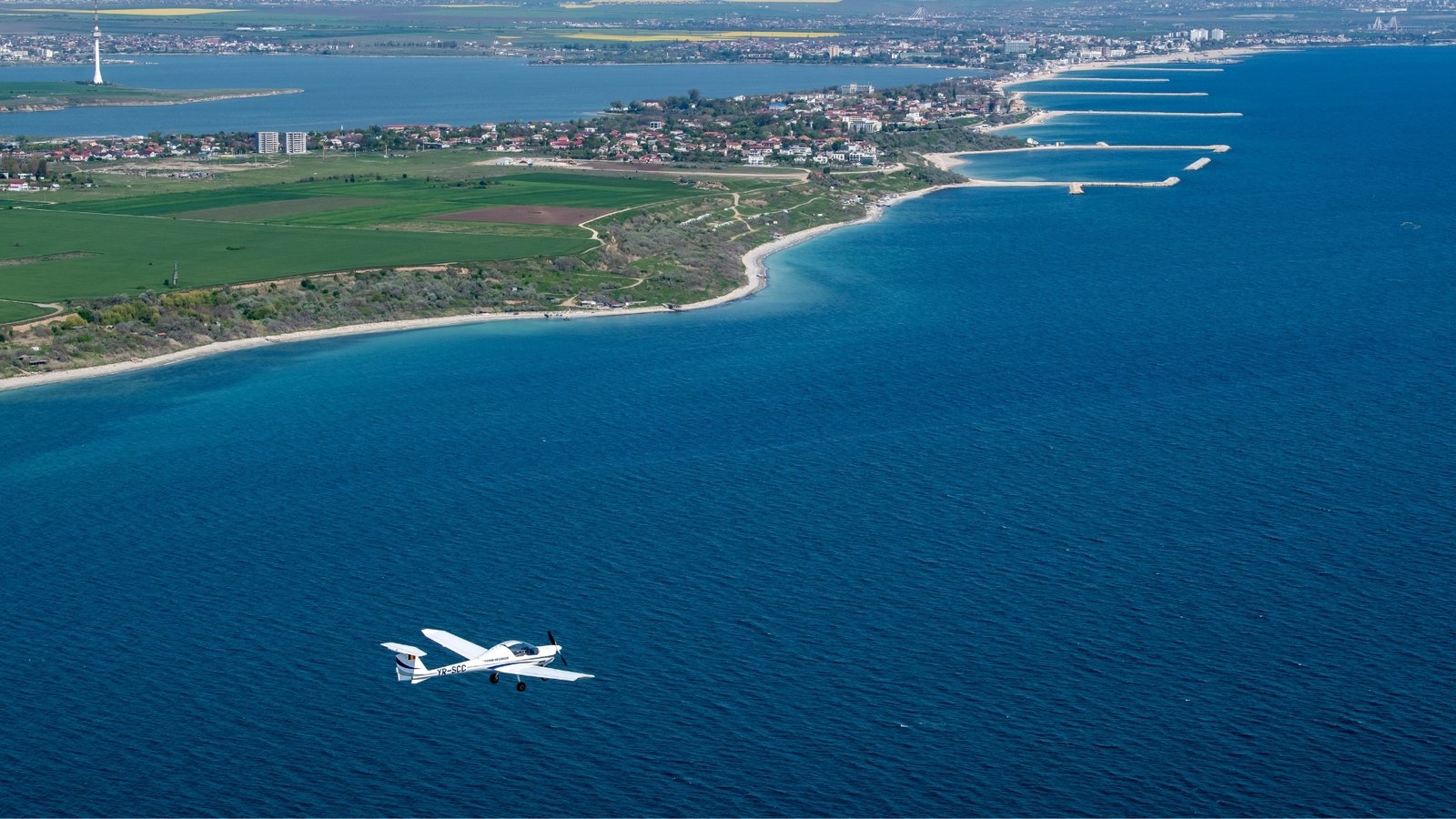
- Romania (EASA-Approved ATO)
- EASA CPL / ATPL flight training
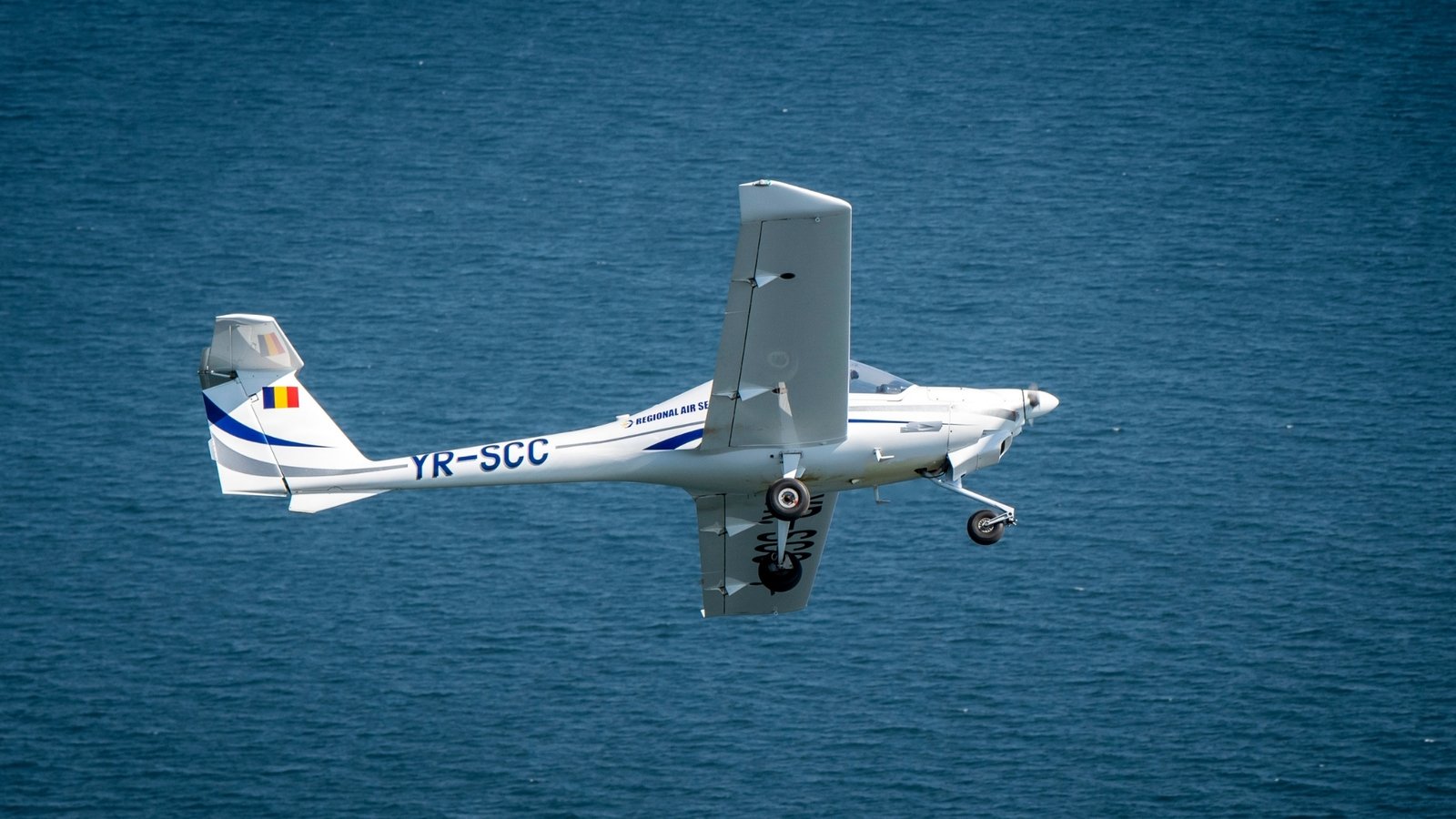
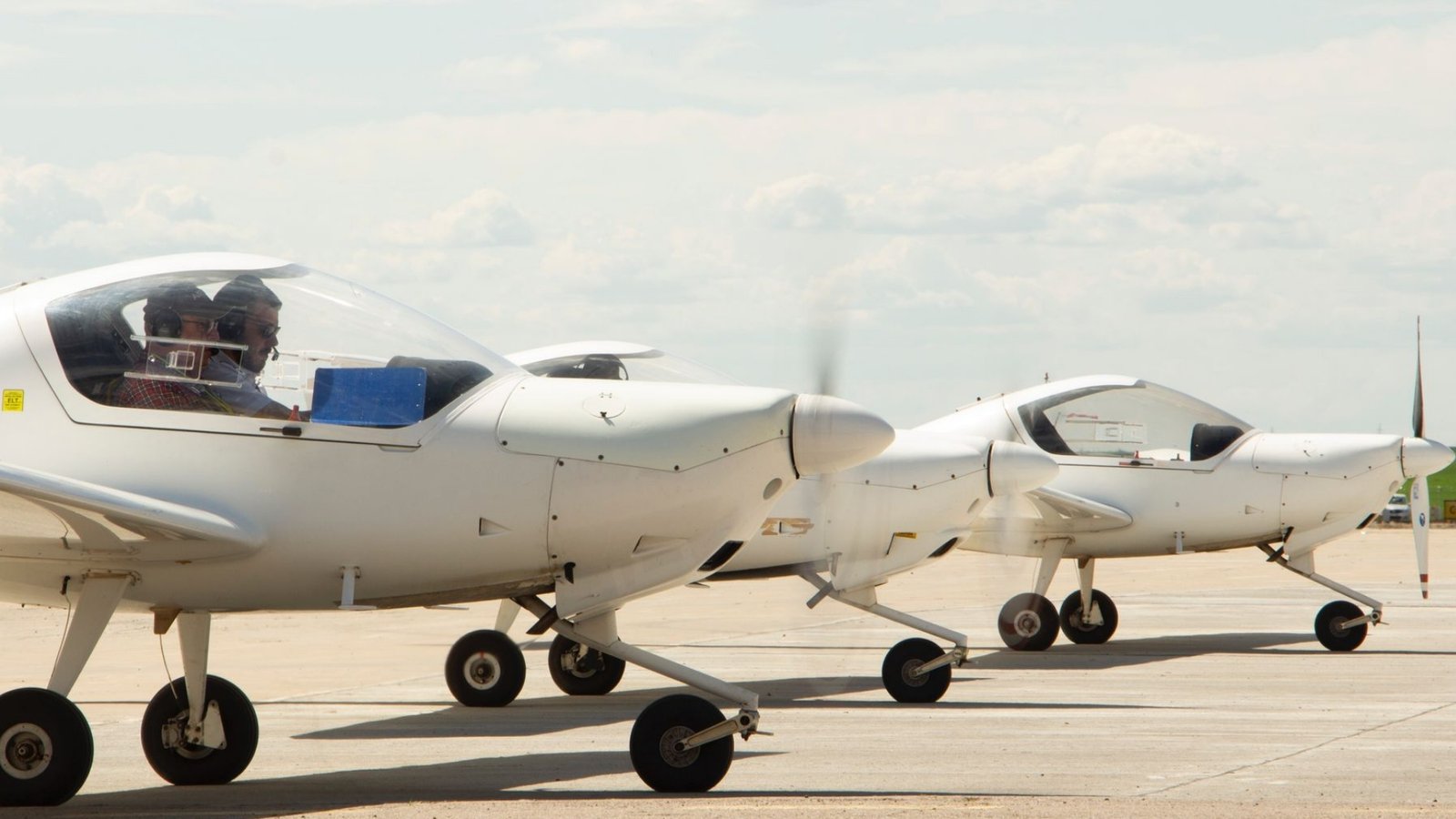
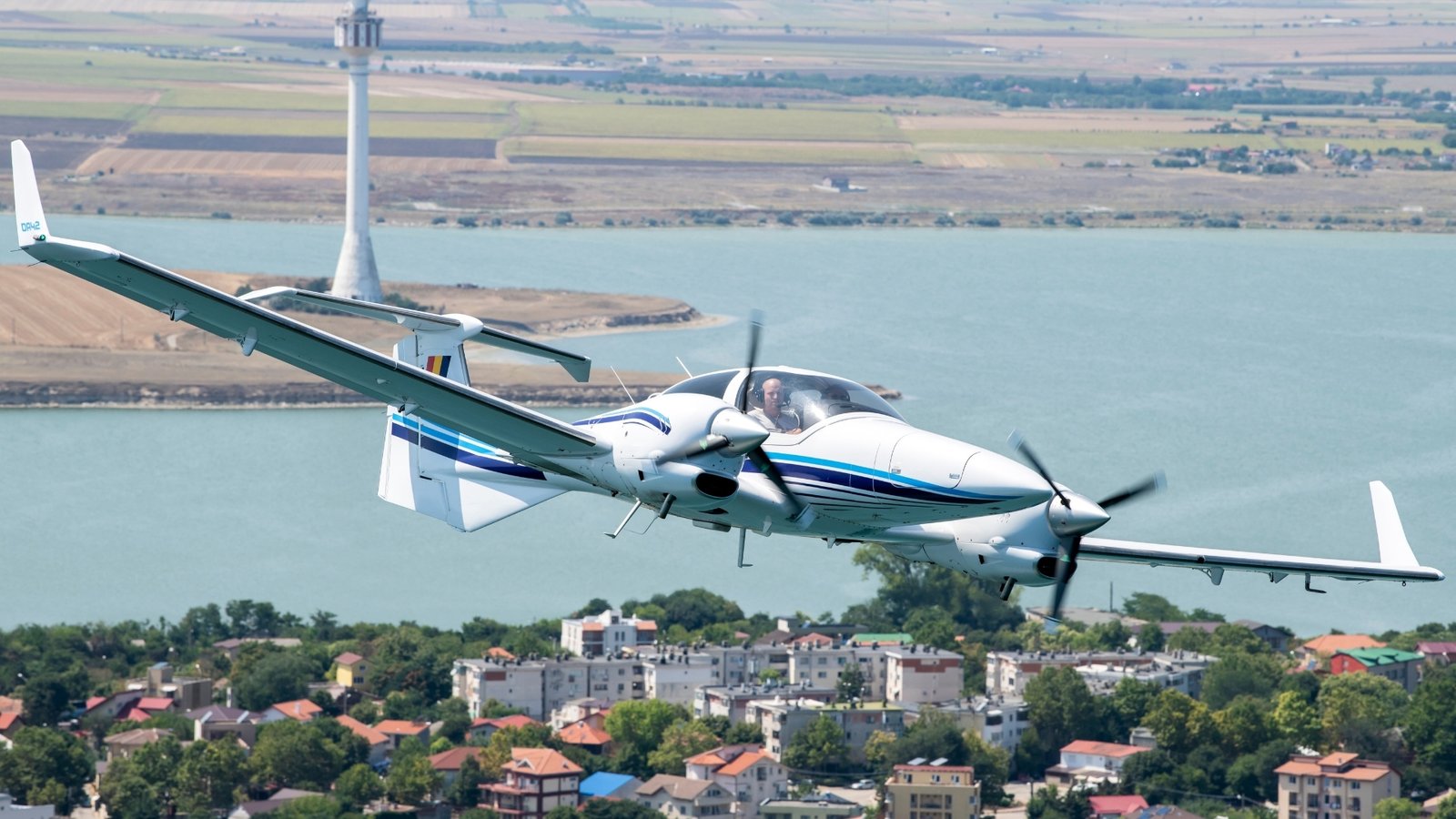
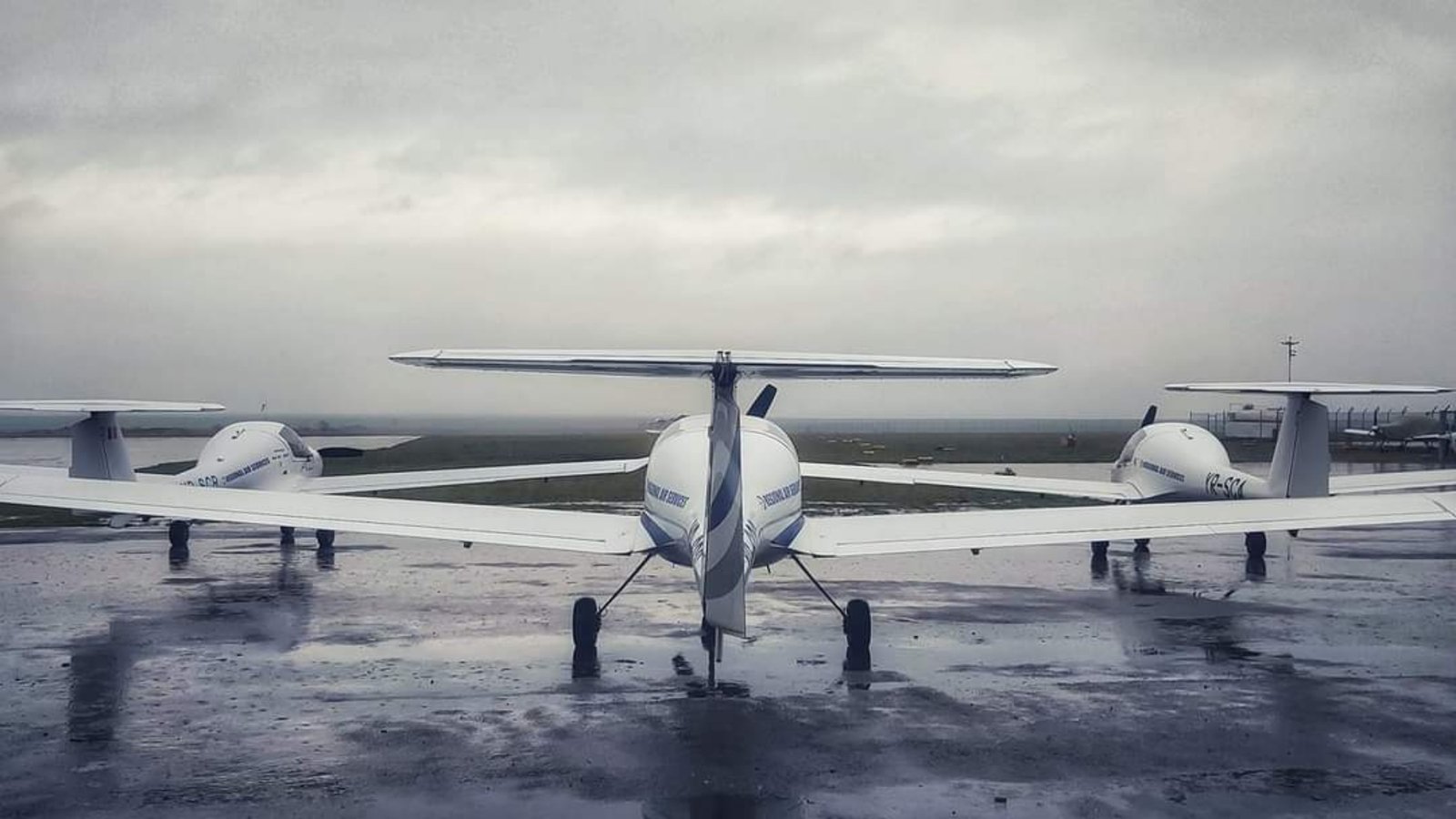
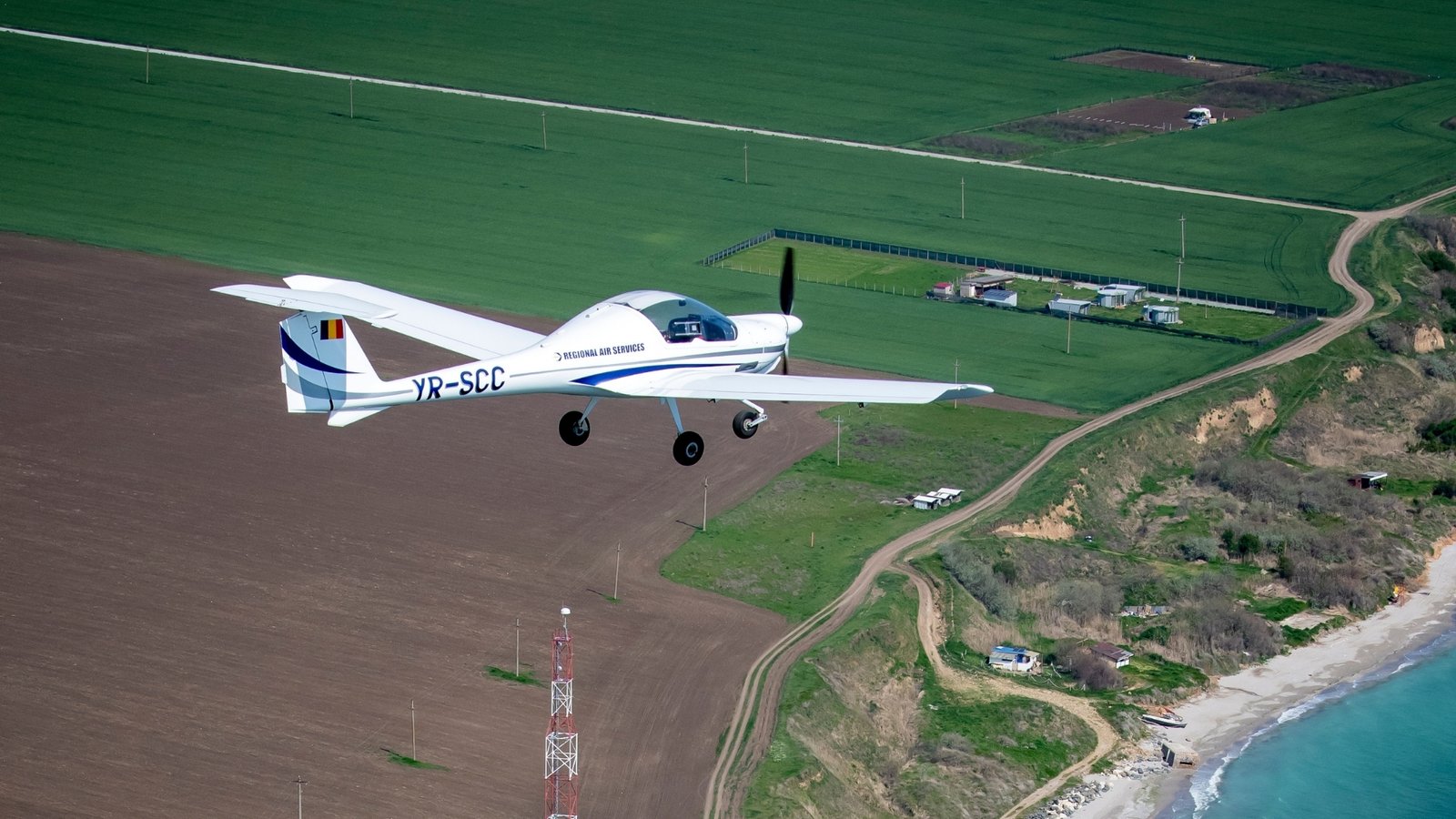
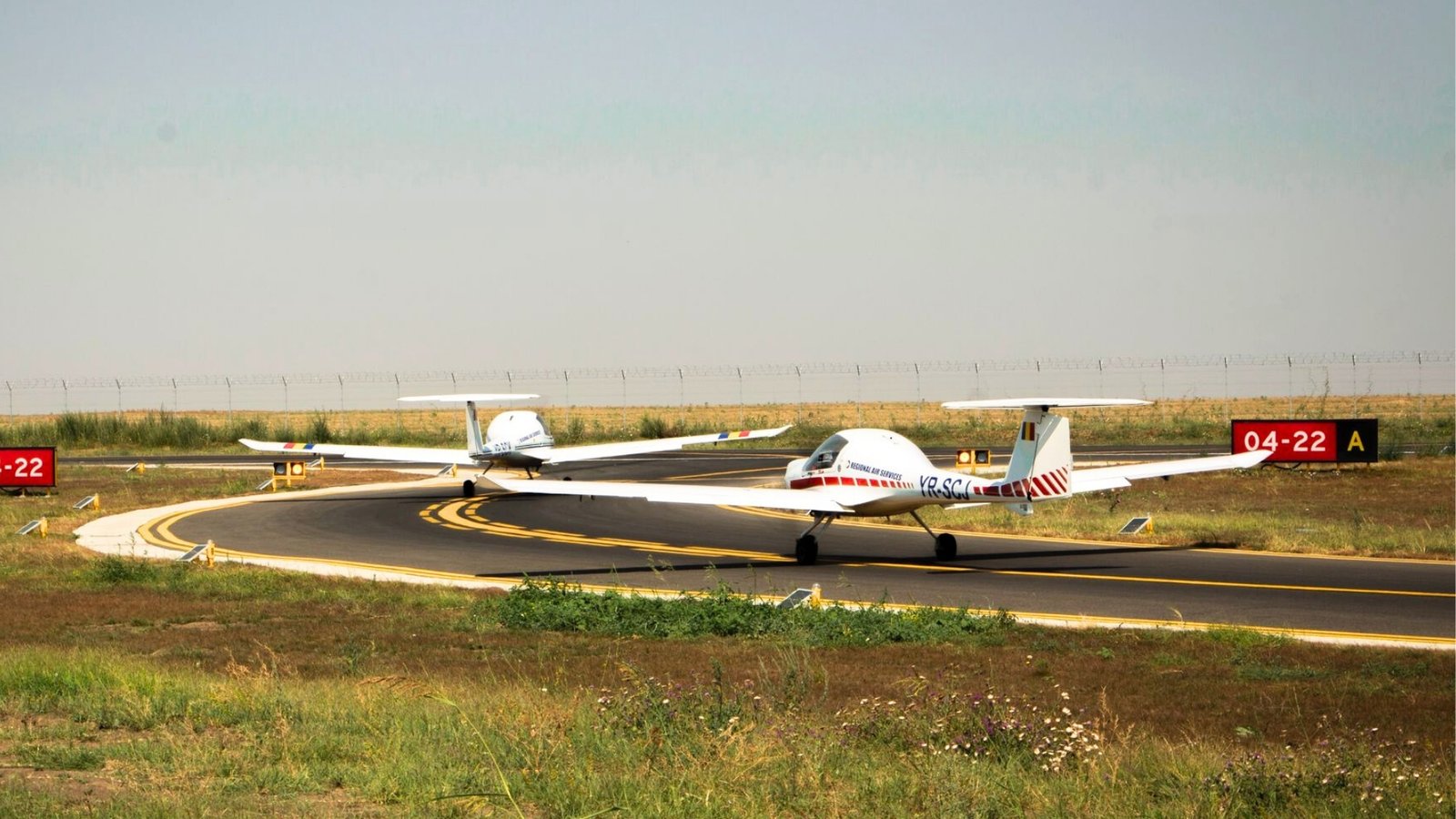
- Modern training aircraft
- Structured flying syllabus
- European airspace exposure
- Professional airline-style training environment
Who Should Consider This Programme
This pathway is ideal for:
- GCC residents (UAE, Saudi Arabia, Qatar, Oman, Kuwait, Bahrain)
- Students targeting EASA CPL / ATPL
- Candidates planning airline careers in Europe, Middle East, or globally
- Those who want cost efficiency without compromising standards
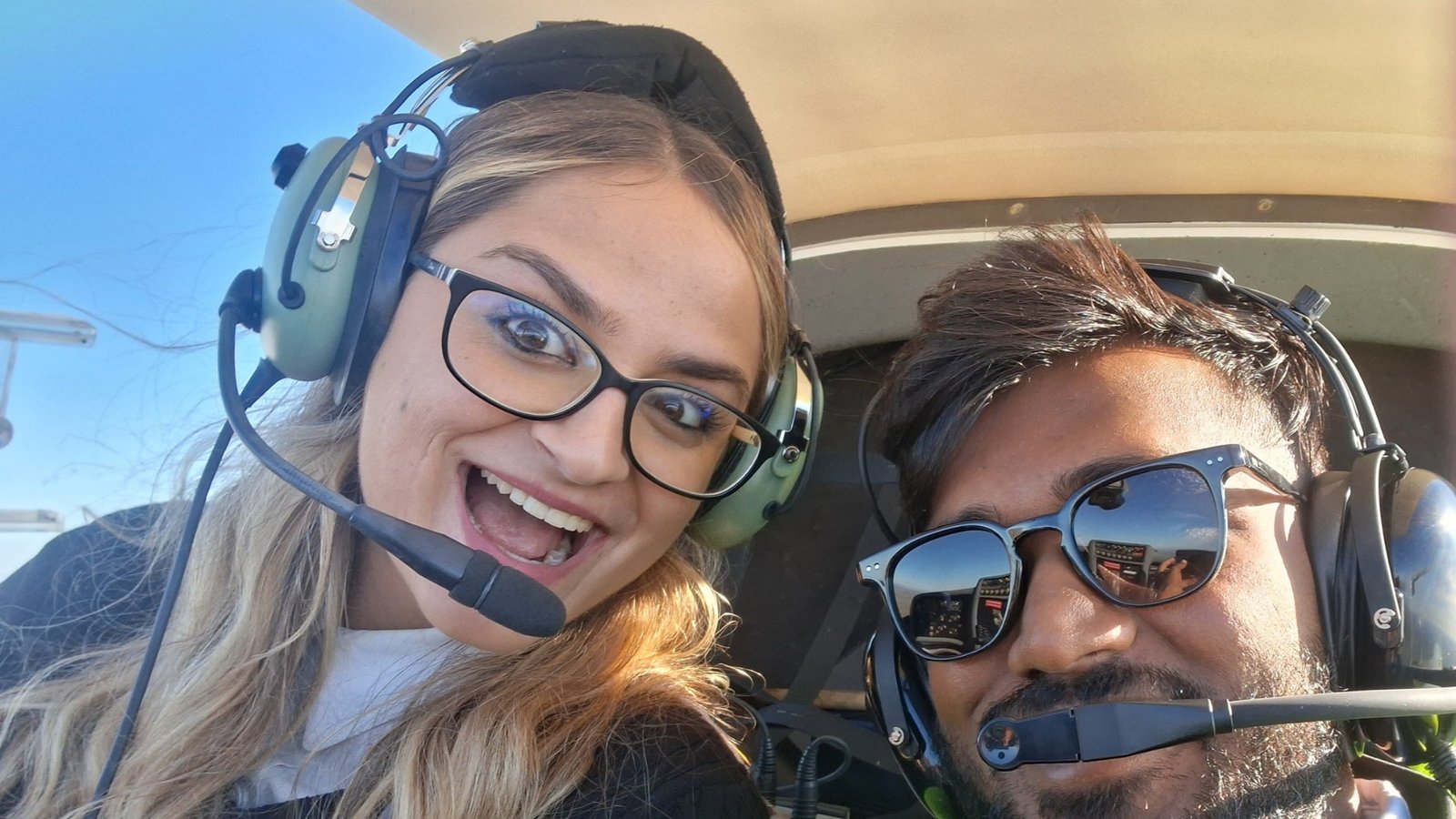
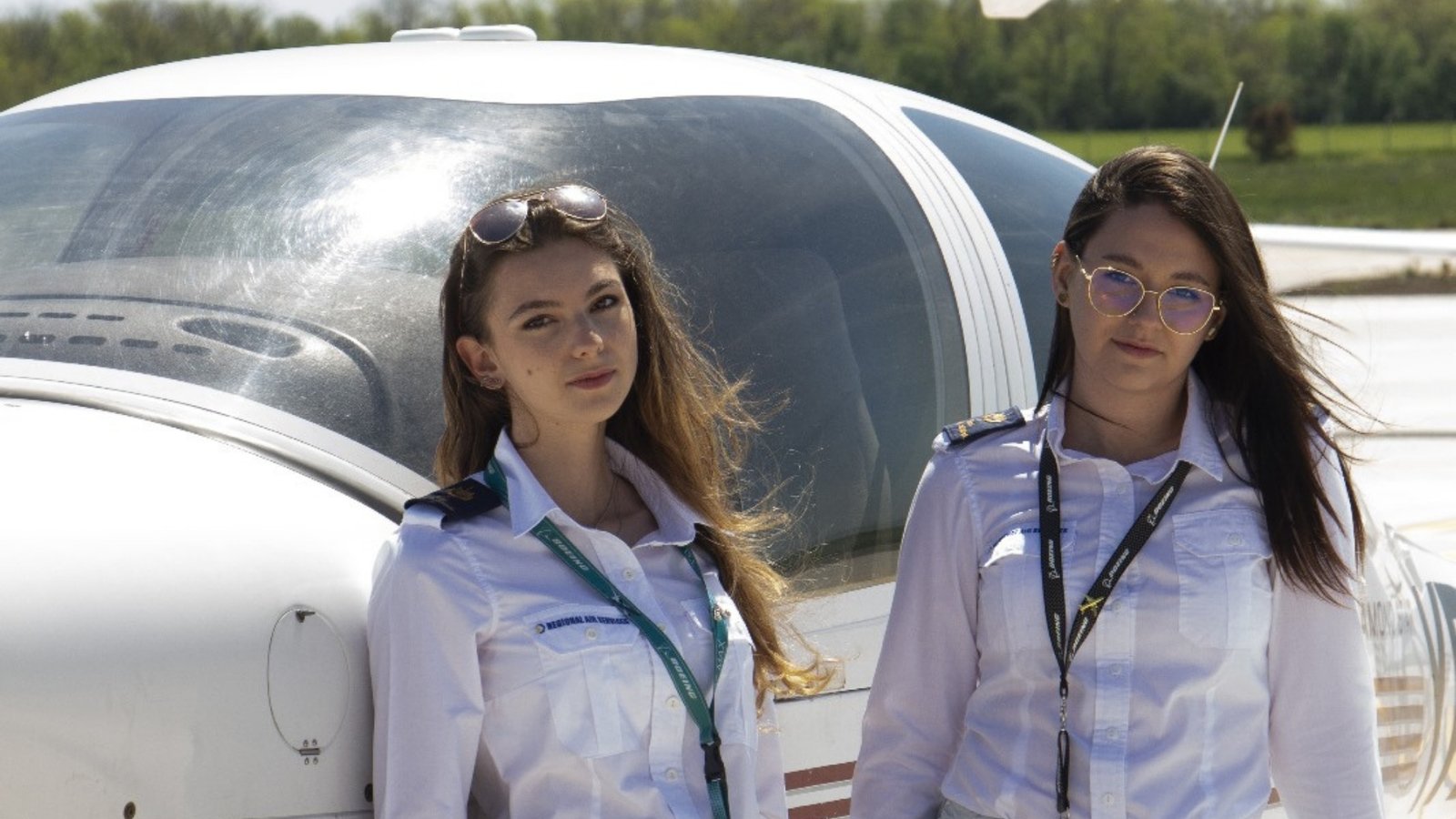

Our Cadets
Playlist
Frequently Asked Questions (FAQs)
This pathway is structured in two phases:
EASA-aligned Theoretical Knowledge training conducted in Dubai, followed by practical flight training in Romania under EASA standards.
The structure allows students to complete the academic phase locally before relocating for flying.
All Theoretical Knowledge (ATPL) training is conducted in Dubai, in a classroom-based environment aligned with EASA requirements and airline-oriented teaching standards.
The practical flight training is completed in Romania, where students undergo structured flying in an EASA-approved training environment suitable for CPL and ATPL progression.
Upon successful completion of training, students are eligible for an EASA Commercial Pilot Licence (CPL) with Frozen ATPL privileges, depending on the modules completed.
EASA licences are recognised across Europe and widely accepted internationally, subject to airline and regulatory requirements.
- Aspiring pilots from the GCC region
- Students targeting an EASA licence
- Individuals planning airline careers in Europe, the Middle East, or globally
- Candidates who prefer completing theory closer to home before flying
- Minimum age: 18 years
- Strong foundation in Maths and Physics
- Proficient in English (ICAO standard)
- Ability to obtain an EASA Class 1 Medical Certificate
No. An EU passport is not required to complete EASA training. Students from outside Europe can complete training by meeting the applicable visa and regulatory requirements.
You may begin Theoretical Knowledge training without a medical, but an EASA Class 1 Medical Certificate is mandatory before starting flight training.
Training duration depends on individual progress, weather, and scheduling. On average, students complete the full CPL/Frozen ATPL pathway within 18–24 months.
Relocation to Romania is required only during the flight training phase. Completing theory in Dubai significantly reduces the overall time spent abroad.
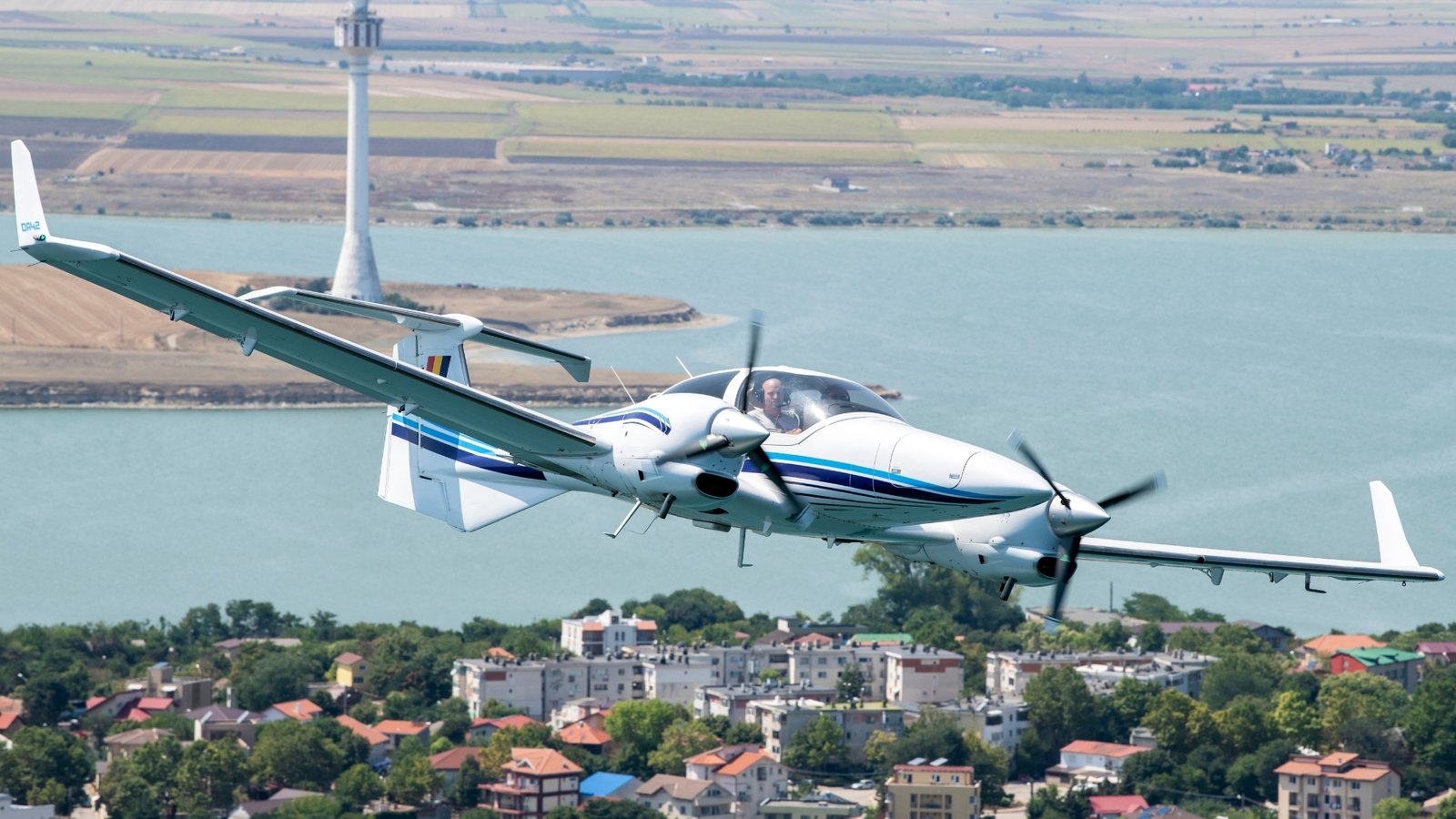
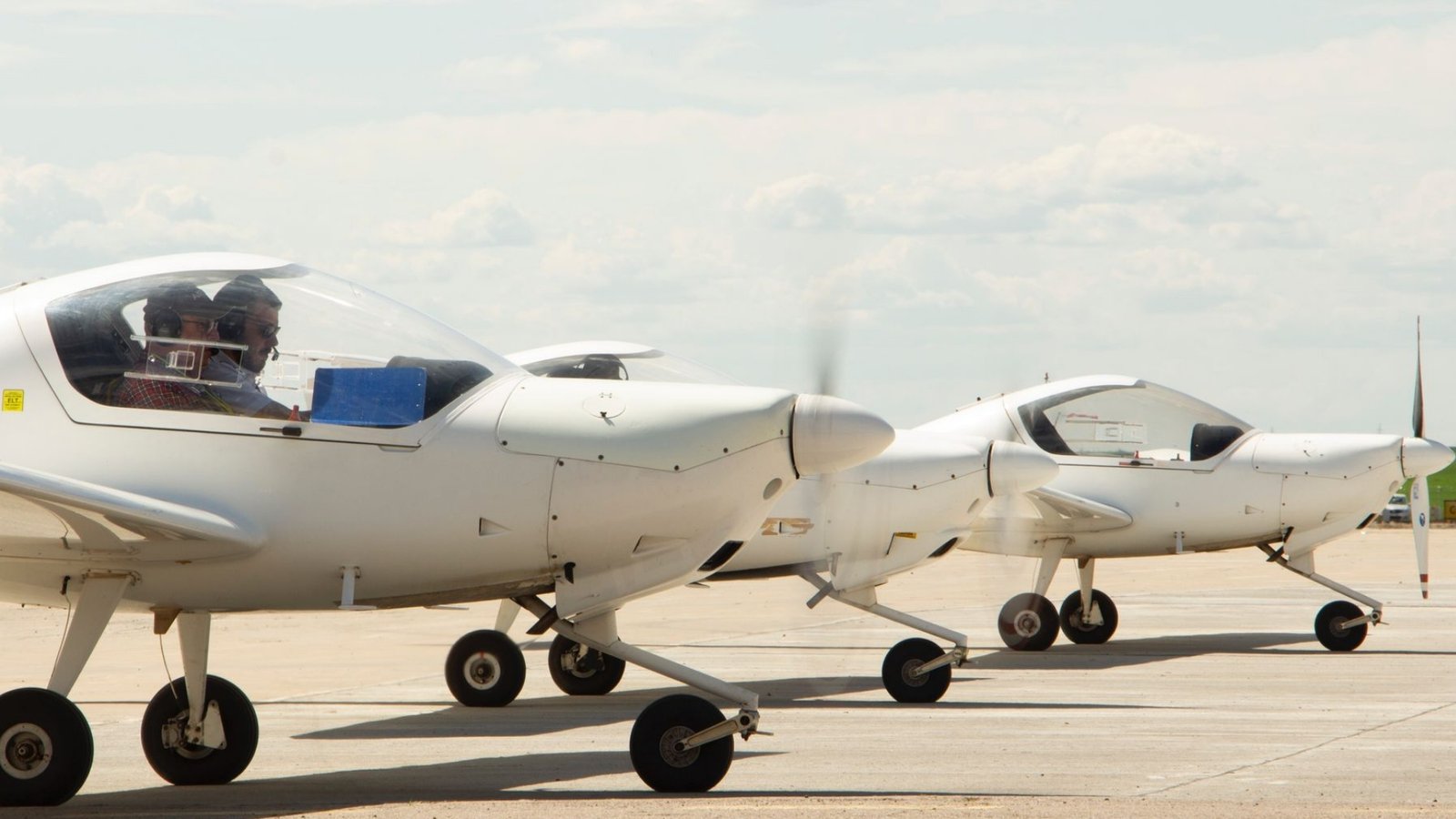
Flight training is conducted on a modern, EASA-compliant training fleet, typically including:
Single-engine aircraft such as the Diamond DA40
Multi-engine aircraft such as the Tecnam P2006T for multi-engine and instrument training
FNPT II / MCC simulators, where applicable, to support instrument and multi-crew training phases
The fleet is selected to ensure strong handling skills, glass-cockpit familiarity, and smooth transition to airline-style aircraft.
Yes. The training pathway is designed to build strong theoretical foundations and professional flying skills, aligned with airline operational standards. Our trained students are flying with airlines across multiple global regions.
Yes. Intakes are limited to maintain training quality, instructor attention, and structured progression.
You can submit an application or request detailed program information through the enquiry form. A training advisor will guide you through eligibility, timelines, and next steps.